
Protect Fence from Ohio Winter Snow Ice Columbus, OH
When winter hits in Ohio, fences take more punishment than most homeowners expect. Snow piles up, ice settles into cracks, and freezing temperatures put constant pressure on posts and panels. For residential and commercial properties across Columbus, knowing how to protect your fence through the winter months can mean the difference between a fence that lasts and one that needs early repair.
This guide walks through practical ways to protect your fence from Ohio's winter snow and ice, based on real conditions across Columbus and Central Ohio. Whether your fencing needs focus on privacy, security, or curb appeal, the approach is straightforward: reduce damage, maintain your property, and avoid unnecessary repairs when spring arrives.
What Ohio Winters Actually Do to Fences
Ohio winters are not just cold. They bring repeated freeze-thaw cycles, heavy snow, and ice that can sit on the ground for weeks. These conditions affect every type of fencing material once it's installed.
As temperatures drop, the ground freezes and expands. When it warms up, even briefly, the ground shifts again. This constant movement puts stress on fence posts and can cause leaning, gaps, or misaligned gates. We see this pattern repeat every winter across Central Ohio.
Winter damage shows up as posts that loosen or tilt as the ground moves, panels that crack or warp after repeated freezing, gates that stop closing properly, and rust on metal components and chain link. Understanding these patterns helps you take preventive steps before problems grow into expensive fence repair jobs.
What to Do Before Winter Arrives
A quick inspection before the colder months can prevent bigger issues later. Once snow and ice arrive, even small problems become harder to fix and more expensive to repair.
Start with a walk around your property while the fence is still easy to see and access. Check for leaning posts, loose panels, and wobbly sections regardless of fence style. Test gates to confirm they open, close, and latch smoothly. Look for cracks in wood and vinyl, bent rails on metal fences, and any areas where the ground is already soft or pulling away from posts.
Clear Debris and Improve Drainage
Snow and ice cause more damage when moisture gets trapped at the bottom of your fence. Clearing leaves, mulch, and packed dirt helps reduce standing water that later freezes and shifts the ground.
Remove leaves and debris from along the fence line and the base of posts. Pull back mulch that's touching wood posts or rails. Trim grass and weeds away from the fence base to improve air circulation. Clear drainage paths so meltwater flows away from the fence instead of pooling around posts.
Trim Back Trees and Bushes
Winter damage often comes from above. Heavy snow on tree limbs can break branches that fall into fences, especially privacy fences with large panels. We get calls every spring from homeowners dealing with fence damage from fallen branches.
Trim low or weak branches overhanging your fence before winter. Cut back shrubs and bushes that press against panels. Remove dead limbs that could snap during freezing temperatures or wind. This takes an hour or two in fall but saves you from expensive repairs in spring.
Confirm Property Lines and Snow Clearance Space
Before the first snow, make sure your fence sits where it should and that you have enough space to clear snow safely. This matters more in tighter Columbus neighborhoods where property boundaries are close to driveways, sidewalks, or your neighbor's yard.
Check property lines and any shared fence sections with neighbors. Confirm gates have enough swing space even when snow piles up. Identify fence sections near driveways or walkways where plows or shovels might hit.
How Different Fence Materials Handle Winter
Not all fence materials respond to winter the same way. Some handle moisture and cold better than others, which affects how you protect them.
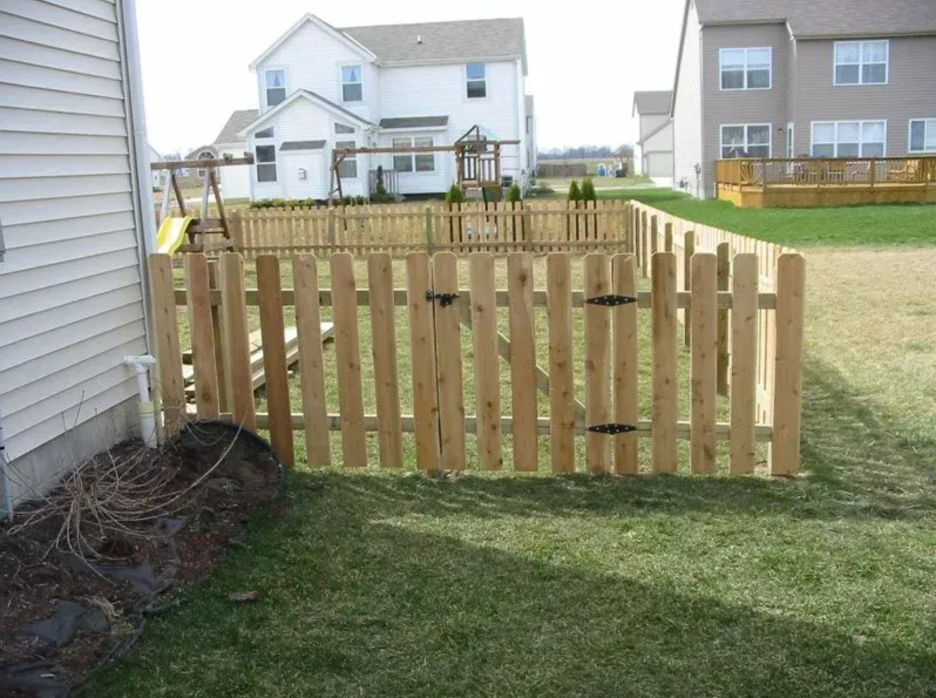
Wood Fences in Cold Weather
Wood fences are common across Columbus neighborhoods, especially for backyards that need privacy and a classic look. But wood is also the most affected by winter conditions.
Snow piled against a wood fence holds moisture in place. When that moisture freezes, it expands inside the wood fibers. Over time, this leads to cracking, rot, and shortened fence life. Keep snow from staying piled against panels. Avoid pushing snow directly into fence lines when clearing your driveway. Make sure drainage around posts stays clear so water doesn't pool and freeze.
Wood fences can last through Ohio winters, but they need extra attention during the colder months.
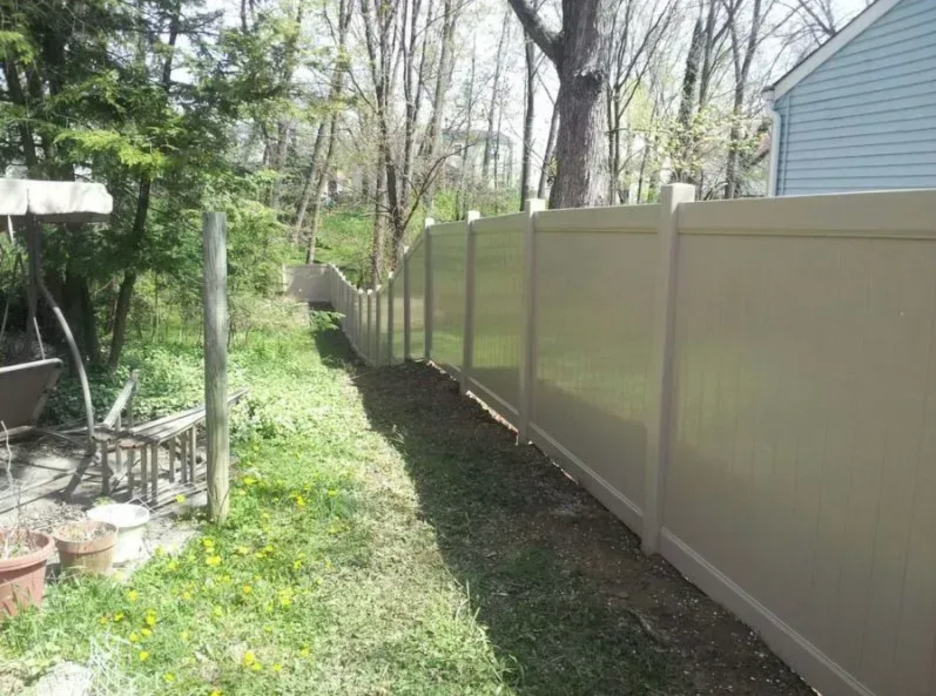
Vinyl Fences During Freezing Temperatures
Vinyl fencing is often chosen for its low maintenance and durability. It doesn't absorb moisture like wood, which helps during snowy winters. However, vinyl can become more brittle in extreme cold.
Across Columbus, vinyl fences generally perform well when properly installed and not stressed by heavy snow buildup. Avoid impact from snow shovels or blowers. Clear snow gently instead of forcing it away. Watch for ice buildup around posts and gates.
Vinyl remains a solid option for Ohio winters, especially when handled with care.
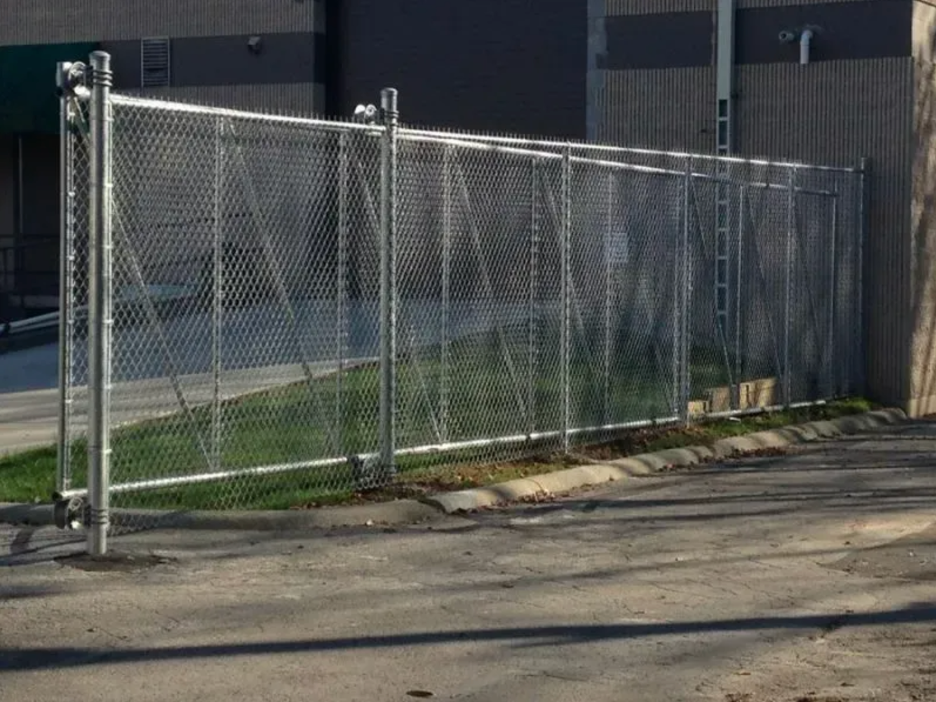
Chain Link and Metal Fences in Winter
Chain link fences are common on commercial properties and larger residential lots because they handle winter conditions better than many expect. Snow and ice pass through the mesh instead of building up, reducing pressure on the fence.
Metal components still need attention. Check for rust before winter begins. Keep snow removal equipment away from posts. Watch for salt exposure near driveways and parking areas. Salt accelerates rust on metal, so rinse off any salt spray when you can.
For security-focused properties, chain link remains one of the most winter-resilient options.
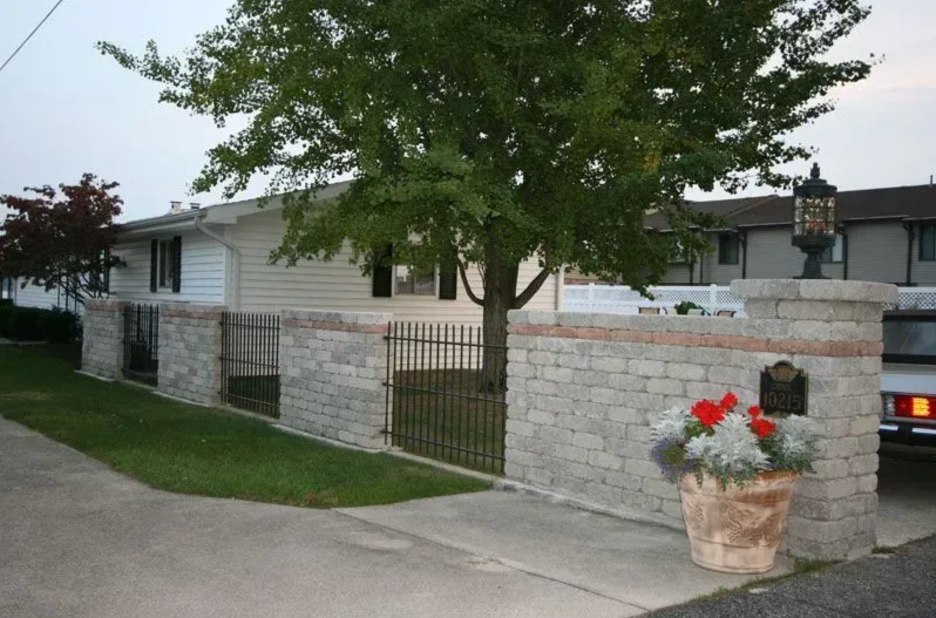
Aluminum and Ornamental Fences
Aluminum fencing and ornamental metal fences resist rust and corrosion better than steel, making them reliable choices for Ohio winters. These fences need minimal winter maintenance beyond keeping snow removal equipment from causing impact damage.
Protecting Your Fence During Snow Removal
Clearing snow can do more harm than you expect if you're not careful. Fences near driveways, walkways, and patios are especially vulnerable. Snow blowers, plows, and even shovels can damage posts, crack panels, or knock gates out of alignment.
Protect your fence during snow removal by following these practices:
- Shovel snow away from fences instead of toward them
- Mark fence lines clearly when snow covers the ground
- Slow down near gates and corners during removal
- Avoid using metal shovels or blades directly against vinyl or wood panels
Why Professional Installation Matters Before Winter
A professionally installed fence holds up far better during Ohio winters than one installed without proper planning. Post depth, spacing, and drainage all matter once the ground freezes. Quality fence installation from the start prevents most winter damage before it happens.
At Elite Fence, we set posts below frost depth in every installation. That's standard, not an upgrade. We've been through enough Ohio winters to know what happens when you skip that step. Posts shift, panels lean, gates stop closing properly. It's avoidable with proper installation from the start, and that's how we deliver exceptional results that last.
Materials need to be spaced to allow movement during freeze-thaw cycles. Gates need to be hung correctly so they continue working through temperature changes. These details protect your investment and prevent problems before they start.
For commercial properties, this becomes even more important. Commercial fence installation requires planning for large spans, security fencing, and high-traffic areas that face more winter stress and need installation that accounts for these conditions.
When to Repair vs. When to Replace
Winter exposes fence problems you didn't know you had. Once snow and ice settle in, it becomes clear which fences are still solid and which are struggling.
Repair makes sense when damage is limited to one section, posts are still stable, and the fence is relatively new. A few cracked boards or a loose panel can be fixed without replacing the entire fence.
Replacement makes more sense when the fence leans in multiple areas, repairs keep repeating each winter, or the fence has reached the end of its useful life. If you're fixing the same sections year after year, you're spending more money patching problems than you would investing in a new fence that actually lasts.
Not sure which direction to go? We can walk your property and give you an honest assessment of what needs fixing and what needs replacing.
How Winter Fence Care Protects Your Property
Fences don't disappear in winter. In fact, once landscaping fades and snow settles in, they stand out even more. A straight, well-kept fence looks intentional. A leaning post or damaged panel becomes obvious when everything around it is bare.
Taking care of your fence during winter keeps curb appeal intact when snow and ice highlight every detail. It protects property value by preventing damage from getting worse. And it helps you avoid rushed repairs once spring arrives and outdoor projects start piling up.
For businesses, the impact is just as real. A secure, well-maintained fence supports safety and sends a clear message that the property is cared for year-round.
Protect Your Fence This Winter
Ohio winters are tough, but fences don't have to suffer for it. With thoughtful preparation, careful snow removal, and attention to materials, your fence can come through the winter season in good shape.
By protecting your fence from snow and ice, you protect security, safety, curb appeal, and peace of mind for your property through every winter Ohio brings.
If your fence needs attention before winter hits or you're planning a new installation that can handle Ohio weather, Elite Fence can help. We build high quality fences designed for Central Ohio conditions, and customer satisfaction drives everything we do. Contact us today for a free estimate.