
Understanding Ohio’s Fence Laws and Property Line Regulations
Building a fence in Ohio is more than a design or construction decision. It's also a legal one. Whether you're planning a privacy fence for your backyard, replacing an old chain link fence, or installing a new fence along a shared property line, understanding Ohio fence laws and local regulations can help you avoid disputes, delays, and unexpected costs.
For property owners in Columbus and Central Ohio, zoning rules and city regulations play a major role in how, where, and what type of fence you can build. This guide breaks down the key points you should be aware of before starting any fence construction project.
Why Fence Laws Matter in Ohio
Fence laws exist to protect property owners, maintain neighborhood safety, and prevent conflicts between neighbors. In Ohio, both state legislation and local zoning codes influence fence placement, height, materials, and maintenance requirements.
If you build a fence without following these rules, you may be required to remove or modify it, even after paying for construction. Understanding the law upfront helps you plan correctly and avoid issues with your neighbor, the city, or your local zoning office.
Property Lines and Boundaries: Start Here
Before building a fence, confirming your property line is one of the most important steps you can take. A fence line that goes up a few inches onto a neighbor's property can create real problems, even if it was unintentional.
Start with what you already have. Check your property survey or land records first. Look for existing markers along your lot lines. If anything feels unclear, bringing in a licensed surveyor can save you stress later. Even when replacing an old fence, it's worth double-checking. Over time, fences shift, yards change, and what looks right may not be legally correct.
In Columbus, the city does not locate property lines or mediate property line disputes. That responsibility falls on property owners. Get this right from the start.
Understanding Ohio's Line Fence Law
Ohio has a specific Line Fence Law (Ohio Revised Code Chapter 971, updated in 2008) that governs fences built on property boundaries. However, this law does NOT apply to most homeowners in cities like Columbus.
When Ohio Line Fence Law Applies
Ohio's Line Fence Law applies to rural and agricultural properties in unincorporated areas. It does NOT apply to properties that have been laid out in lots under Ohio subdivision law, which includes most single-family homes in Columbus and surrounding cities. Other areas outside incorporated city limits may fall under this state law.
For most Columbus homeowners, local city ordinances and zoning codes govern fence placement and responsibilities, not the state Line Fence Law. If you live in a rural area outside city limits, the Line Fence Law may apply to your property.
Shared Property Lines and Neighbor Agreements
Even though the Line Fence Law may not apply in Columbus, talking with your neighbor before building a fence on or near a shared property line is still smart. Clear communication prevents misunderstandings and keeps projects moving smoothly.
If both property owners benefit from the fence, you may choose to share costs. If only one owner wants the fence, that owner typically covers the full expense. Getting agreement in writing can prevent disputes later.
Columbus Fence Height Regulations
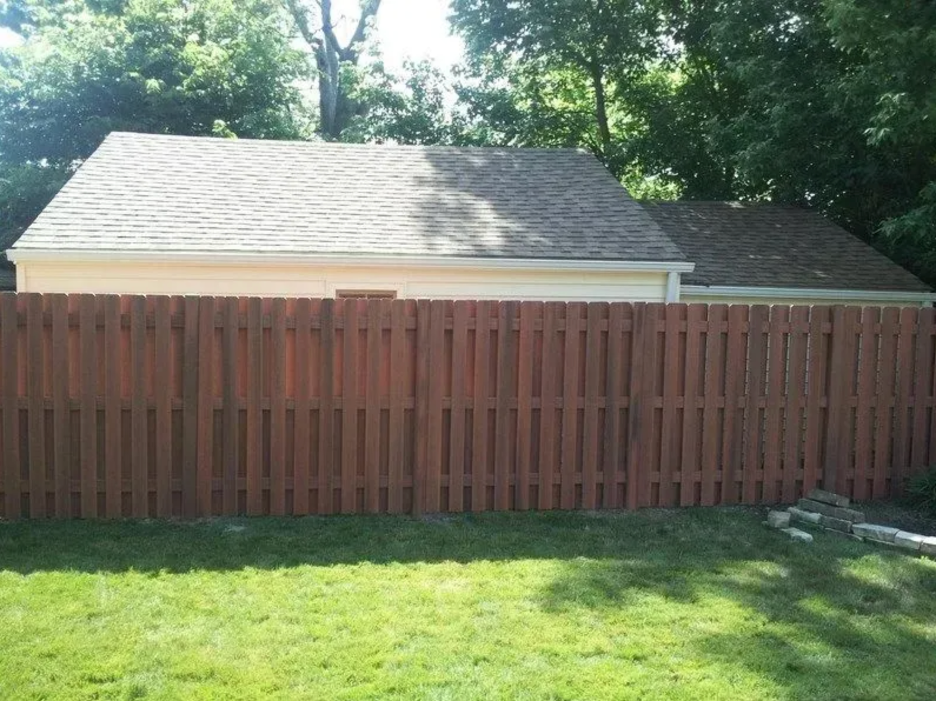
Fence height regulations are one of the most common issues we see. Height limits depend on where the fence sits on your property and what your local zoning code allows. In Columbus, the rules are specific and enforced.
Columbus Height Limits
In the City of Columbus, fence height is regulated by the zoning code with specific limits based on location. These limits determine how many feet tall your fence can legally be:
- Front yards and areas with street visibility: Generally limited to 30 inches in height due to vision clearance requirements
- Side and rear yards: Up to 6 feet tall without requiring a building permit
- Fences over 6 feet tall: Require a building permit and cannot be placed in required setback areas
- Corner lots: Face additional restrictions to maintain visibility for drivers and pedestrians
These limits exist for safety reasons, particularly at intersections and driveways where visibility matters. Check with the Columbus Building and Zoning Services office before planning your fence to confirm what applies to your specific property.
Height Rules Vary by City
Columbus suburbs have their own rules. For example, Westerville limits front yard fences to 30 inches, while New Albany allows up to 54 inches. Powell restricts front yard fences to 30 inches, and Hilliard prohibits fences in front yards entirely. Always verify height limits with your specific city's zoning office.
Fence Materials and Restrictions
Fence material affects both appearance and whether it meets local rules. In Columbus, most residential areas permit wood, wood fencing, vinyl fencing, composite materials, and decorative metal fencing in side and rear yards.
Chain Link Fencing Restrictions
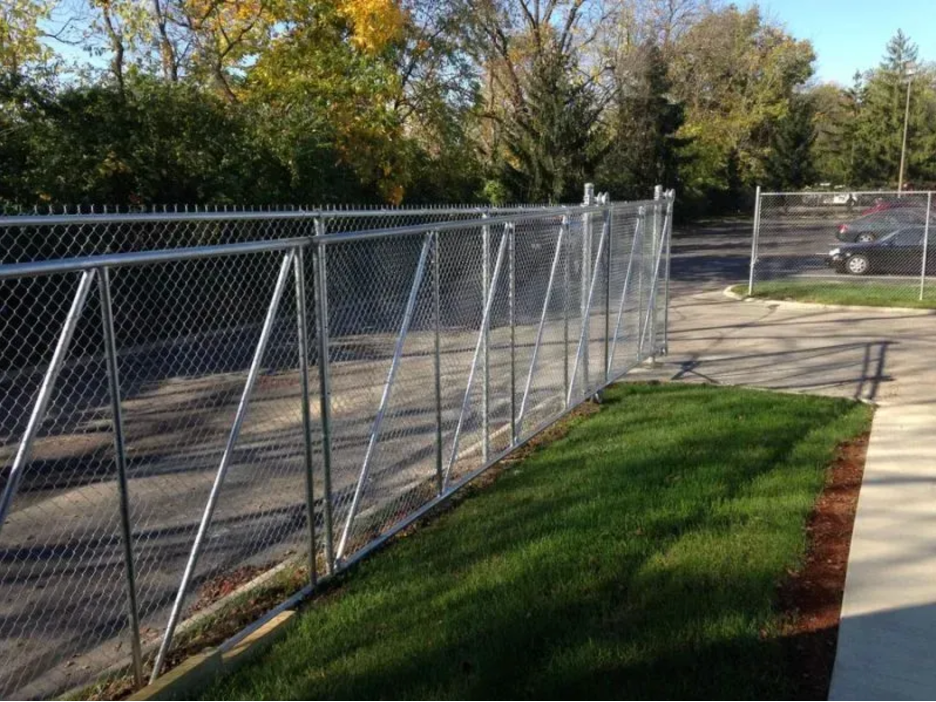
Chain link fencing is permitted in side and rear yards in Columbus residential areas but is generally not favored in locations visible from the street. Some neighborhoods prohibit chain link fencing in front yards entirely or restrict it to rear portions of the property.
Barbed Wire and Electric Fencing
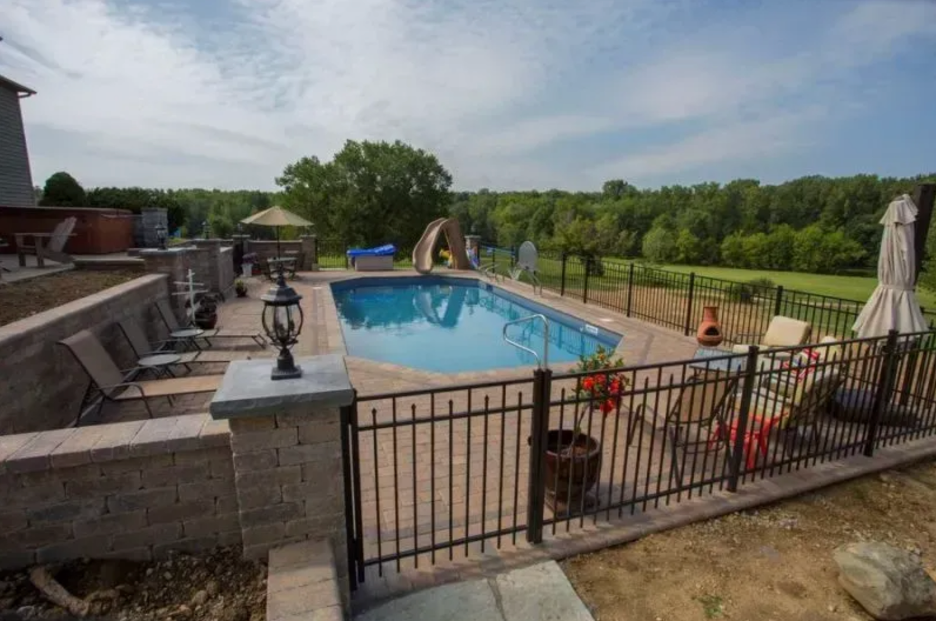
Columbus and Franklin County prohibit barbed wire and electric fencing in residential districts unless required to protect the public from hazardous equipment or commercial swimming pools. These materials are generally restricted to agricultural or industrial use.
Setback Requirements and Fence Placement
Setback requirements define how far a fence must sit from property lines, streets, sidewalks, or other structures like your house. These rules are set by local zoning codes and vary depending on your city and neighborhood.
In Columbus, fences cannot be located directly on property lines and must meet specific setback distances. Fences near streets, sidewalks, or utility easements face additional restrictions. Vision clearance requirements also apply at driveways and intersections to maintain safety for drivers and pedestrians.
Confirm setback requirements with your local zoning office before you start. When you know exactly where your fence can go, you can plan with confidence and avoid costly adjustments later.
Do You Need a Building Permit?
Columbus Permit Requirements
In the City of Columbus, permit requirements depend on fence height:
Fences 6 feet or less in height do NOT require a building permit. However, you must still comply with all zoning code regulations regarding placement, height in specific areas, and vision clearance requirements.
Fences over 6 feet in height DO require a building permit. Your application will be reviewed for compliance with the zoning code before the permit is issued. Fences over 6 feet are considered structures and cannot be placed in required setback areas or side yards.
Where to Obtain Permits
Building permits in Columbus are obtained from Building and Zoning Services at 111 North Front Street, Columbus, OH 43215. You can contact them at (614) 645-7433 or visit during weekdays from 9:00 AM to 4:00 PM. Even if a permit is not required, consider visiting for a free over-the-counter proposal review to confirm your fence plans meet all zoning requirements.
Franklin County and Surrounding Cities
If you live outside Columbus city limits but within Franklin County, permit requirements may differ. Unincorporated areas of Franklin County require permits through the Franklin County Economic Development and Planning Department. Individual cities like Westerville, Dublin, and New Albany have their own permitting processes and requirements. Always check with your specific jurisdiction.
Privacy Fences and Residential Regulations
Privacy fences are popular in Columbus residential areas, but height limits and placement rules still apply. Privacy fences are solid by design, which means they can block visibility. That's why fences near streets, sidewalks, or corner lots face extra restrictions.
In Columbus, privacy fences up to 6 feet are generally permitted in side and rear yards without a building permit. Fences taller than 6 feet require a permit and cannot be placed in setback areas. Privacy fences in front yards are heavily restricted due to vision clearance requirements.
If you're planning a privacy fence, confirm local regulations before you start. When you understand what's allowed upfront, you can move forward with a design that gives you privacy without running into compliance issues.
Fence Maintenance and Safe Condition Requirements
Columbus zoning code requires that fences be maintained in safe condition at all times. This means both the fence structure and the property surrounding it must be properly maintained. A fence that becomes damaged, unstable, or unsafe can result in code violations. Regular maintenance helps ensure your fence remains in safe condition and complies with local regulations throughout its life.
Special Considerations for Ohio Property Owners
Certain properties face additional requirements. Livestock fencing in rural areas may follow different state regulations under Ohio Revised Code Section 971.03. Fences near public streets must preserve sightlines and meet vision clearance standards. Walls or structures attached to fences may have separate permitting requirements. Repairs to existing fences versus new construction may be treated differently by local codes.
Understanding how these rules apply to your property helps you plan a fence that meets both functional and legal requirements.
Why Professional Installation Matters
Even when you understand the regulations, working with an experienced
fence contractor ensures your fence is built correctly and complies with all local codes. At Elite Fence, we've installed fences across Columbus for years. We know local zoning requirements, height limits, setback rules, and permit processes.
We handle the details that matter. Posts are set at the correct depth and spacing. Fences are placed to meet setback requirements. Gates are installed properly and meet safety standards. Materials are chosen to comply with local regulations. When these details are handled correctly from the start, you avoid compliance issues, neighbor disputes, and costly corrections later.
Working with an experienced local contractor means you get guidance on regulations, proper planning, and installation that meets all requirements. We're here to make the process straightforward and help you build a fence that's legal, functional, and built to last.
Ready to Plan Your Fence?
If you're thinking about building, replacing, or repairing a fence and want to be sure it's done the right way, Elite Fence can help. We work with homeowners across Columbus and surrounding areas to plan fences that follow local rules, fit the property, and hold up over time.
Whether you're in the early planning stage or ready to move forward, our team can walk you through your options and answer questions before construction begins.
Contact Elite Fence today to get started with a fence plan that makes sense for your home and your neighborhood.
IMPORTANT DISCLAIMER: This information provides general guidance only and does not constitute legal advice. Fence laws vary significantly by city, county, and jurisdiction within Ohio. Always verify current regulations with your local zoning office before beginning any fence project.